Source rgb automotive interior el wire for dashboards, upgrades, and retrofits
Compare 30 listings for rgb automotive interior el wire designed for dashboard decoration, vehicle upgrades, and custom retrofits. Buyers can review specifications like voltage, length, and certifications from multiple suppliers in Guangdong, China.
Key considerations
Products List
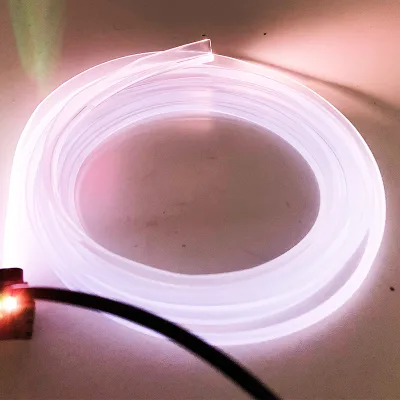
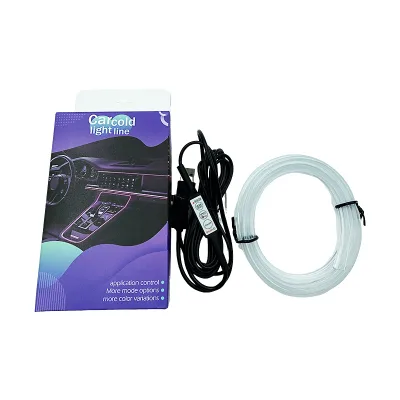


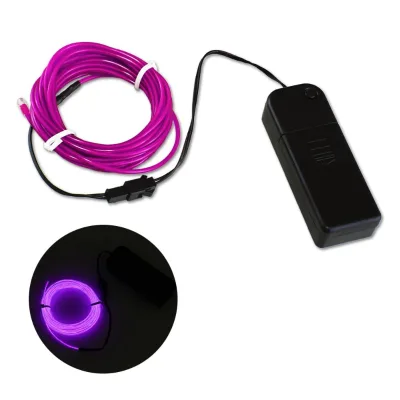
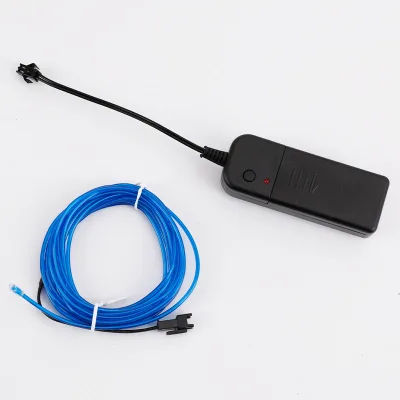
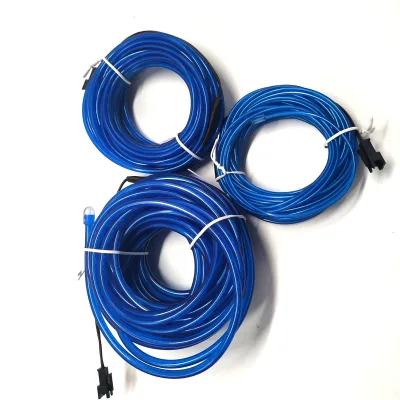
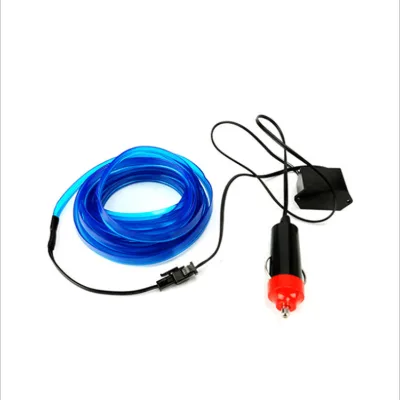




Comprehensive Sourcing Guide
Strategic Sourcing Guide for RGB Automotive Interior EL Wire
Understanding Product Specifications and Technical Variability
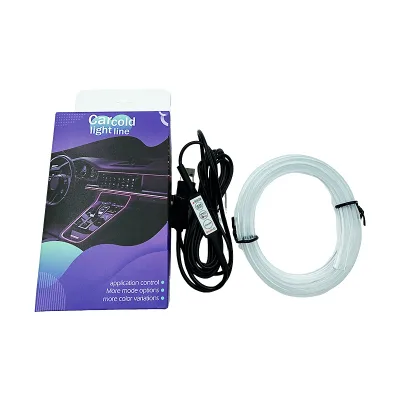
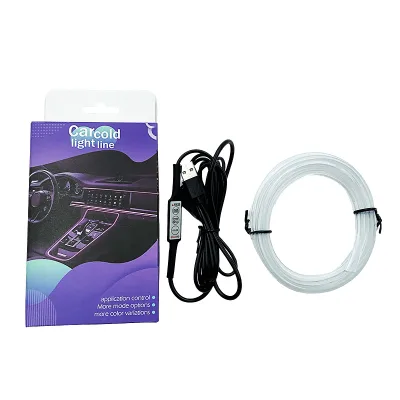
When sourcing RGB automotive interior EL (Electroluminescent) wire, buyers must first navigate a landscape of diverse technical specifications that define the product's functionality and integration potential. The core product category encompasses flexible neon-style lighting strips designed specifically for vehicle interiors, often marketed under names such as "EL Wire Strip Neon Lights" or "RGB Car Cold Light Line." A critical observation from current market data is the significant variance in diameter specifications, which directly impacts the visual profile and installation flexibility. Available diameters range from 1.3mm to 5mm, with specific options including 2.3mm, 3.2mm, and 4mm. This range allows procurement teams to select wire gauges that match the aesthetic requirements of the vehicle's dashboard, door panels, or footwell areas without compromising on the desired slim profile.
The physical dimensions of the product are equally critical for inventory planning and installation logistics. While standard lengths are frequently offered in increments such as 1M, 2M, 3M, and 5M, the market also supports custom length orders where "any length is available." This flexibility is essential for retrofit projects where standard roll lengths may not align with specific vehicle contours. The product shape is predominantly round, though P-shaped variants are also observed in the supply chain, offering different mounting options for specific trim designs. The conductor material is typically stranded bare copper, encased in a PVC insulation layer, which provides the necessary flexibility for routing through tight vehicle cavities while maintaining electrical integrity.
Power requirements present another layer of complexity in the specification matrix. The EL wire systems are designed to operate across a broad spectrum of voltage inputs, including DC3V, DC12V, and AC90-240V. For automotive applications, the DC12V input is the standard, often requiring a specific inverter to drive the wire. The inverter options listed include DC3V battery inverters, DC12V units, and 220V models, indicating that the wire itself is versatile but the power source must be matched precisely to the vehicle's electrical architecture. The voltage rating for the insulation is generally observed to be ≤60V DC (25V AC), ensuring safety during operation. Additionally, the temperature rating of the insulation is typically 80°C, a figure that buyers should verify against the specific thermal environment of their intended installation zone, particularly near engine bays or heated seats.
Compliance, Certification, and Safety Standards
Navigating the regulatory landscape for automotive lighting components requires a rigorous verification of certifications and compliance standards. The EL wire market is populated with products claiming adherence to various international standards, yet the specific status of these certifications must be validated on a per-supplier basis. Common certifications observed in product listings include CE, RoHS, VDE, CCC, and ISO. For instance, some suppliers list compliance with RoHS (Restriction of Hazardous Substances) and CE (Conformité Européenne), which are fundamental for market access in Europe and many other regions. However, the presence of a certificate claim does not guarantee that every unit in a batch meets the standard; it is a critical due diligence step to request valid, up-to-date test reports from the manufacturer.
Beyond general certifications, specific automotive standards play a pivotal role in determining the suitability of the product for vehicle interiors. One observed standard is JIS C3406-1993, which relates to wire and cable specifications. Buyers should verify if the supplier's product meets this or equivalent standards for conductor properties and insulation. Furthermore, flame resistance is a non-negotiable attribute for automotive applications. The product data indicates a "Standard Automotive Flame Performance" rating, but this is a qualitative description rather than a specific test result. Procurement teams must demand evidence of compliance with relevant automotive flame retardancy tests, such as those defined by SAE or FMVSS, to ensure the material will not contribute to fire spread in the event of an electrical fault or accident.
The distinction between different certification claims is also vital. While some products list certifications like VDE and CCC, others may only list CE and RoHS. The absence of a specific certification in a listing does not necessarily mean the product is non-compliant, but it does shift the burden of verification to the buyer. For example, the "ISO 27001" standard is sometimes mentioned in broader contexts regarding information security, but it is not a product safety standard for EL wire. Buyers should focus on product-specific certifications like UL, E-Mark, or specific automotive OEM approvals if the end application requires them. The "Compliance: RoHS Compliant" attribute is frequently cited, but it is essential to confirm that this applies to the final assembled product, including the inverter and connectors, not just the wire itself.
Cost Drivers and Pricing Dynamics
The pricing structure for RGB automotive interior EL wire is influenced by a complex interplay of material costs, customization levels, and order volume. The observed price range in the market spans from $0.10 to $15.00 USD per unit, a wide variance that reflects differences in product configuration, length, and included accessories. The lower end of the spectrum typically corresponds to basic single-color or short-length units with standard packaging, while the higher end often includes RGB capabilities, longer lengths, specialized inverters, and custom packaging solutions. It is crucial for buyers to understand that the unit price is rarely a static figure; it fluctuates based on the specific combination of diameter, color, and power requirements selected.
Minimum Order Quantity (MOQ) is another significant factor affecting the total cost of ownership. The market data indicates an MOQ range of 4 to 1000 units. Suppliers with lower MOQs, such as 4 units, are often more accessible for small-scale prototyping or boutique customization projects but may carry a higher per-unit cost. Conversely, suppliers requiring MOQs of 1000 units typically offer more competitive pricing, making them suitable for large-scale production runs or fleet-wide retrofits. The "Selling Units" attribute often lists "Single item," which can be misleading if the supplier's actual MOQ is higher; buyers must clarify whether the "single item" refers to the SKU or the minimum purchase requirement.
Customization is a primary driver of cost escalation. While the product attributes list "Customization: Available," this often incurs additional charges for tooling, color mixing, or length cutting. The "Single package size" varies significantly, with some listings showing dimensions like 49x30x46.5 cm, while others use generic "XX cm" placeholders. Larger packaging dimensions increase shipping costs, which can be a hidden cost driver in international procurement. Additionally, the inclusion of inverters and power supplies in the package can double or triple the base cost of the wire itself. Buyers should request a detailed breakdown of costs to distinguish between the wire material, the inverter electronics, and packaging fees to ensure they are not overpaying for unnecessary components.
Typical Applications and Integration Scenarios
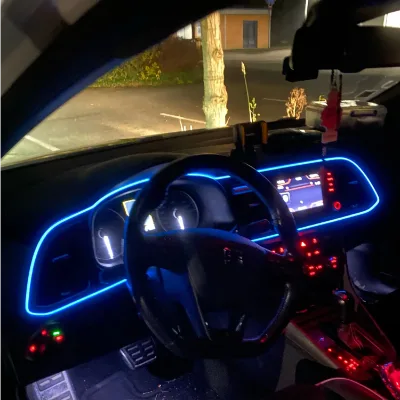
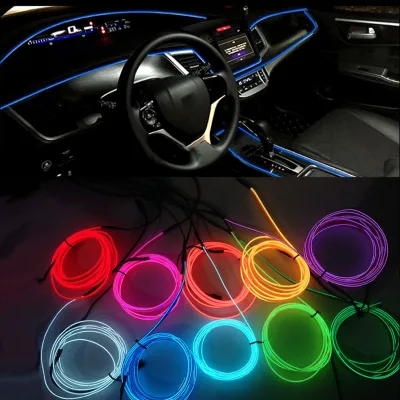
The versatility of RGB automotive interior EL wire makes it a popular choice for a wide array of interior enhancement applications. The primary use case is dashboard decoration, where the wire is routed along instrument clusters, air vents, and center consoles to create a modern, high-tech aesthetic. The "Position: Dashboard" attribute highlights this specific application, but the product's flexibility allows for installation in door panels, footwells, and even under-seat lighting. The "Type: Interior Kits" and "Type: AMBIENT LIGHT" classifications confirm its role in creating ambient lighting effects that enhance the driving experience and vehicle personalization.
For retrofit and upgrade projects, the EL wire offers a non-invasive solution to modernize older vehicles. The "Purpose: for retrofit/upgrade" attribute underscores its suitability for aftermarket modifications where OEM lighting is insufficient or outdated. The RGB capability allows for dynamic color changes, enabling users to match the lighting to their mood, the time of day, or specific events. The "Light Color: Multicolor" and "Colors: Solid and Striped Options" attributes indicate that the wire can produce a vast spectrum of hues, including Red, Green, White, Pink, Purple, Orange, Blue, Yellow, Ice blue, and Lemon. This color variety is essential for creating unique lighting signatures that differentiate a vehicle from standard factory offerings.
Integration into the vehicle's electrical system requires careful planning. The "Inverter" options, such as DC3V Battery Inverter, DC12V, and 220V, suggest that the wire can be powered by various sources, but the automotive application typically relies on the vehicle's 12V DC system. The "Voltage: 12 V" specification aligns with standard automotive electrical systems, but the inverter must be selected to match the wire's power requirements. The "Lifetime: ≥10000 hours" attribute suggests a long operational life, making it suitable for daily use. However, the actual lifespan depends on the quality of the inverter and the stability of the power supply. Buyers should consider the "Condition: New" status of the products to ensure they are receiving fresh inventory with full performance potential, rather than refurbished or aged stock.
Supplier Evaluation and Quality Assurance
Evaluating suppliers for RGB automotive interior EL wire requires a multi-faceted approach that goes beyond simple price comparisons. The "Brand Name" attribute reveals a fragmented market with multiple players, including "Flydee" and "CLT," indicating that buyers should not rely on a single brand reputation but rather assess each supplier's specific capabilities. The "Place of Origin: Guangdong, China" is a common location for these products, suggesting a concentration of manufacturing in this region. While this can offer competitive pricing, it also necessitates rigorous quality control measures to ensure consistency across batches.
Quality assurance should begin with the verification of material specifications. The "Material: Plastic" and "Insulation Material: PVC" attributes are standard, but the quality of the PVC and the stranding of the copper conductor can vary significantly between suppliers. Buyers should request samples to test the flexibility, durability, and color consistency of the wire. The "Conductor Type: Stranded" and "Conductor: Stranded Bare Copper" attributes are positive indicators, but the quality of the stranding and the insulation thickness must be verified to prevent breakage during installation. The "Temperature Rating: 80°C" is a critical specification that should be tested to ensure the wire can withstand the heat generated by the inverter and the ambient temperatures within a vehicle.
Supplier reliability is another key factor. The "Warranty: 1" attribute suggests a one-year warranty period, which is a baseline expectation. Buyers should confirm the terms of this warranty, including what is covered (e.g., wire failure, inverter malfunction) and the process for claims. The "Single gross weight: 0.500 kg" and "Single package size" details provide insight into the supplier's packaging standards, which can affect shipping costs and product protection. Suppliers with consistent packaging and clear labeling are generally more reliable. Additionally, the "Customization: Available" attribute should be accompanied by a clear understanding of the supplier's lead times and minimum customization requirements. A supplier that offers customization but has unpredictable lead times can disrupt production schedules, so this must be factored into the supplier evaluation process.
Long-Term Procurement and Maintenance Considerations
Sourcing RGB automotive interior EL wire is not just a one-time transaction but a long-term relationship that requires ongoing management. The "Lifetime: ≥10000 hours" specification is a strong selling point, but the actual longevity of the system depends on the quality of the inverter and the stability of the power supply. Buyers should plan for potential replacement of inverters, as they are often the first component to fail due to heat and electrical stress. The "Inverter" options listed, such as DC3V, DC12V, and 220V, suggest that different inverters may be needed for different applications, and having a stock of compatible inverters is essential for maintenance.
Inventory management is another critical aspect of long-term procurement. The "Length: 1M 2M 3M 5M..any length is available" attribute indicates that suppliers can provide custom lengths, but this flexibility can lead to inventory complexity if not managed correctly. Buyers should establish clear specifications for their standard orders to minimize the need for custom cuts, which can increase lead times and costs. The "Selling Units: Single item" attribute suggests that the product is often sold individually, which can make bulk ordering more complex. Buyers should negotiate packaging and shipping terms that allow for efficient storage and handling of the wire rolls.
Finally, the "Color" and "Light Color" attributes highlight the importance of color consistency over time. RGB wire can degrade or shift in color due to UV exposure and electrical stress. Buyers should verify the supplier's color stability testing and request samples that have been aged to ensure the colors remain vibrant over the product's lifespan. The "Standard Automotive Flame Performance" and "Flame Resistance" attributes are also long-term considerations, as the material must maintain its safety properties throughout its life. By focusing on these long-term factors, buyers can ensure that their procurement of RGB automotive interior EL wire results in a reliable, safe, and aesthetically pleasing product that meets their needs for years to come.
FAQs
What certifications are available for rgb automotive interior el wire?
Available certifications include CE, RoHS, VDE, CCC, and ISO. Some products also list compliance with JIS C3406-1993 standards for wire specifications. Buyers must verify specific test reports as certification claims vary by supplier and batch.
Which voltage options support rgb automotive interior el wire operation?
The wire supports DC3V, DC12V, and AC90-240V inputs. Automotive applications typically use the 12V DC standard, requiring a compatible inverter like a DC12V model. The insulation voltage rating is generally observed to be less than or equal to 60V DC.
How long does rgb automotive interior el wire typically last?
The product lifetime is specified as greater than or equal to 10,000 hours. This duration depends on the quality of the inverter and the stability of the power supply. Buyers should ensure the condition is new to achieve full performance potential.
Can buyers order custom lengths for rgb automotive interior el wire?
Yes, any length is available for custom orders beyond standard 1M, 2M, 3M, or 5M increments. This flexibility is essential for retrofit projects where standard rolls do not fit vehicle contours. Customization is available but may incur additional tooling or cutting fees.
What materials are used for the conductor and insulation of this wire?
The conductor is stranded bare copper, and the insulation material is PVC. The wire shape is typically round, though P-shaped variants exist. The temperature rating for the insulation is usually 80°C, suitable for standard automotive interior environments.
Which colors are available for rgb automotive interior el wire?
Available colors include Red, Green, White, Pink, Purple, Orange, Blue, Yellow, Ice blue, and Lemon. RGB options provide multicolor capabilities with solid and striped variations. The specific color selection depends on the inverter and wire configuration chosen.
What is the minimum order quantity for rgb automotive interior el wire?
The minimum order quantity ranges from 4 to 1000 units depending on the supplier. Lower MOQs suit prototyping, while higher MOQs often reduce per-unit costs. Buyers must clarify if single item listings reflect actual purchase requirements or just SKU definitions.